



Is Air Conditioning Worth Installing in a London Home?
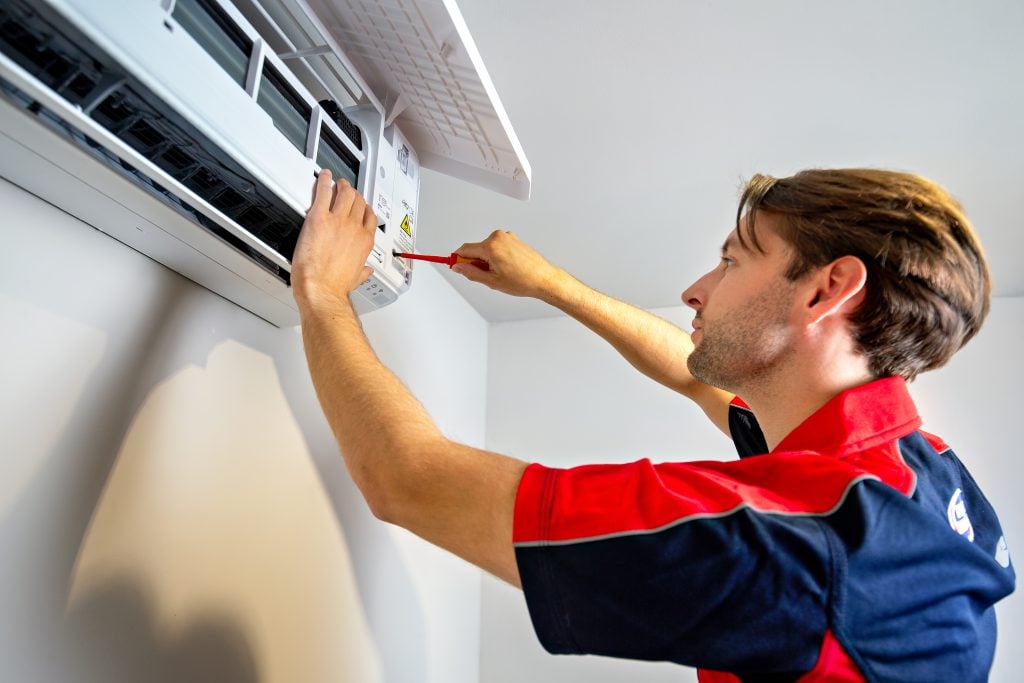
For many London homes, air conditioning can be a worthwhile investment, especially if certain rooms become uncomfortably hot every summer or stay warm well into the night during the increasing number of heatwaves we have been experiencing.
Modern systems can provide controlled cooling, precise temperature settings and, in many cases, heating as well. They can be particularly useful in top-floor flats, loft conversions, bedrooms, home offices and properties with large areas of glazing.
Whether air conditioning is worth installing depends on how your home behaves in hot weather, which rooms are affected, how often you expect to use it and what type of system is practical for the property.
Is air conditioning worth it in London?
It can be. London homes vary enormously, and some are far more prone to overheating than others.
Properties that receive a lot of direct sunlight retain heat overnight or have limited natural ventilation, making them difficult to cool during prolonged warm weather.
Air conditioning is more likely to be worth considering if you live in:
- A top-floor flat
- A loft conversion
- A south or west-facing property
- A home with large windows or rooflights
- A modern apartment that retains heat
- A property where bedrooms stay hot overnight
- A home office with computers and other heat-producing equipment
If overheating is a recurring problem rather than something that happens on one or two days a year, permanent cooling can make a noticeable difference to comfort.
What are the benefits of installing air conditioning at home?
1. You can actually control the room temperature
The main benefit is simple: air conditioning gives you much more control over indoor temperature.
Fans can make you feel cooler by moving air around, but they don’t actively remove heat from the room in the same way as air conditioning.
With a properly sized air con system, you can select a target temperature and maintain it more consistently.
2. Bedrooms can stay more comfortable at night
Bedrooms are one of the most common places where air conditioning makes sense.
Upper floors and loft rooms can store heat throughout the day and remain uncomfortable long after outdoor temperatures begin to fall.
Being able to cool a bedroom before going to sleep and maintain a comfortable temperature overnight can make hot weather much easier to manage.
3. Many systems provide heating too
Most contemporary air conditioning systems have reverse-cycle technology, meaning they can both cool and heat the air.
That means the same system can provide heating during colder seasons as well as cooling in summer.
Depending on your property and how you use the rooms, this can make the installation useful for much more of the year.
4. Home offices are easier to keep comfortable
Home offices can heat up quickly, especially with monitors, computers and other equipment running throughout the day.
If you work from home regularly, being able to control the temperature can make the room more comfortable during warm periods without relying entirely on open windows or portable fans.
5. You don’t have to rely on open windows
Opening windows isn’t always the most practical way to cool a London property.
You may also be dealing with:
- Street noise
- Pollution
- Security concerns
- Insects
- Hot outdoor air during the warmest part of the day
Air conditioning allows you to cool the room while keeping windows closed.
6. You can target only the rooms that need it
You don’t necessarily need air conditioning throughout the entire property.
If one bedroom, loft room or home office is the main problem, a single-room system may be enough.
Larger homes can use multi-split systems to cool several rooms independently.
This allows the installation to be tailored around where overheating actually occurs.
Which London homes benefit most from air conditioning?
Some properties are much more likely to benefit from permanent AC than others.
Top-floor flats and apartments
Heat rises through buildings, and top-floor flats can also receive more direct heat from the roof.
Once the property becomes warm, limited cross-ventilation can make it difficult to cool down again.
Air conditioning can be especially useful where opening windows doesn’t provide enough relief.
Loft conversions
Loft rooms are particularly vulnerable to overheating because they’re directly beneath the roof.
If the loft is used as a bedroom, office or living space, targeted air conditioning can make it much more usable during hot weather.
South and west-facing rooms
Rooms that receive strong afternoon or evening sun can become significantly warmer than the rest of the home.
West-facing bedrooms can be particularly uncomfortable because they absorb heat late in the day and may still feel warm at bedtime.
Homes with large windows
Large windows, bi-fold doors and rooflights can create bright, attractive rooms, but they can also introduce a lot of solar heat.
Shading can help, but where overheating remains a problem, a correctly sized AC system can provide much more reliable temperature control.
Modern apartments
Highly insulated homes are good at retaining heat as well as keeping it out.
In some modern apartments, heat generated during the day can remain trapped into the evening, particularly where ventilation is limited.
Air conditioning can provide a controlled way to remove that heat.
Period properties
Air conditioning can also work well in Victorian, Edwardian and other period homes.
The main challenge is often designing the installation so that indoor and outdoor equipment is positioned sensitively.
Listed buildings and properties in conservation areas may also need additional checks before installation work can go ahead.
Is air conditioning expensive to run?
Running costs vary from one home to another.
They depend on:
- The efficiency of the system
- The size of the room
- The temperature you choose
- Outdoor conditions
- Insulation
- Solar gain
- How long the system runs
- Electricity prices
A modern system that has been correctly sized for the room can provide targeted cooling efficiently.
How you use it matters too. Keeping windows and doors closed, reducing direct sunlight and avoiding unnecessarily low temperature settings can all reduce energy use.
Is permanent air conditioning better than a portable air conditioner?
That depends on how often you need cooling.
Portable air conditioners can make sense if you only need occasional relief during very hot weather or aren’t able to install permanent equipment.
They do have some drawbacks. They usually:
- Take up floor space
- Need a hose routed through a window or opening
- Can be relatively noisy
- Cool a limited area
- Need to be set up each time they’re used
A professionally installed split system is a more permanent solution and will usually provide better temperature control with less noise inside the room.
If the same room overheats every summer, permanent air conditioning can be a more practical long-term option.
Can I install air conditioning in a London flat?
Often, yes, but flats can involve more restrictions than houses.
Before choosing a system, you may need to consider:
- Freeholder or landlord permission
- Lease conditions
- Where the outdoor unit can go
- Noise requirements
- Access for installation and maintenance
- Planning restrictions
- Conservation area requirements
- Listed building restrictions
The outdoor unit is often the biggest practical consideration.
A site survey can establish what is possible before you commit to a particular system.
Does home air conditioning need planning permission in London?
Not every installation needs planning permission.
Whether permission is required depends on the property, the type and position of the equipment and any restrictions that apply to the building.
Flats, listed buildings and homes within conservation areas can need additional consideration.
Rather than assuming an installation is permitted, it’s sensible to check the requirements for the specific property before work starts.
Is air conditioning worth it just for a bedroom?
It can be. You don’t have to install air conditioning throughout the entire house for it to be worthwhile.
If one bedroom regularly becomes too hot to sleep comfortably, a single-room system can address that particular problem.
This is especially common in:
- Loft bedrooms
- Top-floor bedrooms
- West-facing rooms
- Bedrooms with large windows
- Rooms where opening windows isn’t practical
Targeting the problem room can also keep the initial installation smaller.
What should I try before installing air conditioning?
If overheating is only occasional, simpler measures may be enough.
You can try:
- Closing blinds or curtains before direct sunlight reaches the room
- Using external or internal shading
- Ventilating when the outdoor air is cooler
- Using fans
- Keeping windows closed during the hottest part of the day
- Reducing unnecessary heat from appliances
- Checking that existing ventilation is working properly
If you’ve tried these measures and the property still becomes uncomfortable every summer, permanent air conditioning may be worth exploring.
Frequently Asked Questions
Is air conditioning necessary in London?
Not for every home. However, properties that regularly overheat, particularly top-floor flats, loft conversions and rooms with significant sun exposure, can benefit considerably from controlled cooling.
Is air conditioning worth it for a bedroom?
Yes, it can be. If a bedroom stays uncomfortably hot overnight, air conditioning can provide more reliable cooling than fans or open windows.
A single-room system may be enough if the rest of the property doesn’t have the same problem.
Is air conditioning worth it in a London flat?
It can be, especially in upper-floor apartments or flats with limited ventilation.
The main considerations are usually permission, outdoor unit placement, noise and any restrictions within the lease or building.
Can air conditioning heat my home in winter?
Many modern split systems can.
They operate as reversible air-to-air heat pumps, allowing them to provide heating as well as cooling.
This can make the system useful beyond the summer months.
Does air conditioning add value to a London property?
It may make a property more attractive to some buyers or tenants, particularly if overheating is a known issue.
However, the effect on property value varies, so comfort and suitability are usually stronger reasons for installing it than resale value alone.
Can you install air conditioning in a listed building?
Potentially, but the installation needs more careful planning.
The location and appearance of external equipment may be restricted, and listed building consent or other permissions may be required.
A site-specific assessment is important before choosing a system.
How many air conditioning units does my home need?
It depends on which rooms overheat and how the property is laid out.
One bedroom or loft may only need a single unit, while larger properties can benefit from a multi-room system.
Correct sizing should be based on factors such as room dimensions, glazing, insulation, orientation and heat gain rather than floor area alone.
Is home air conditioning noisy?
Modern split systems are designed to operate relatively quietly indoors, although noise levels vary between models and operating modes.
The location and specification of both the indoor and outdoor units should be considered during the design stage.
Thinking about installing air conditioning in your London home?
If your bedroom, loft conversion, flat or home office regularly becomes uncomfortable during warmer weather, a professional assessment can help establish whether air conditioning is suitable for the property.
Our network of F-Gas registered air conditioning engineers provide domestic air conditioning installation across London, from individual rooms to larger multi-room systems.
A properly specified system can provide controlled cooling during warmer weather and, depending on the equipment selected, heating during cooler periods too.
Contact Pimlico Plumbers to discuss air conditioning for your home and arrange an assessment of your property.
Summary
Air conditioning can be worth installing in a London home when overheating is a recurring problem rather than an occasional inconvenience.
It’s particularly useful in top-floor flats, loft conversions, bedrooms, home offices and rooms with large windows or significant solar gain.
You don’t necessarily need to cool the whole property. In many homes, targeting one or two problem rooms is enough.
Modern split systems can also provide heating, making them useful beyond summer.
Before deciding, consider how often your home overheats, which rooms are affected, whether simpler measures such as shading and ventilation are enough, and what installation restrictions apply to the property.
If overheating continues to affect comfort, sleep or how you use the space, a professional survey can determine the most suitable air conditioning solution.