This website uses cookies to ensure you get the best experience on our website, to read more about the cookies we use, please read our cookies policy.

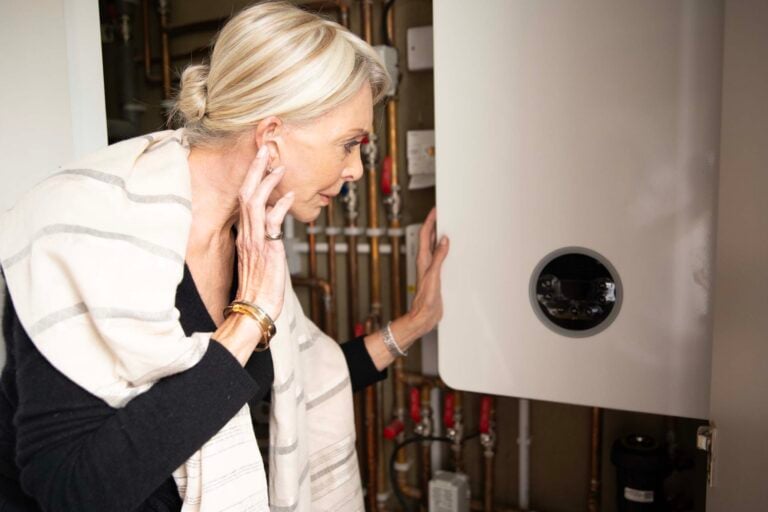
If you suddenly have no heating or hot water, start by checking your boiler, thermostat, power supply and boiler pressure. You should also check whether the boiler is displaying a fault code.
If both your heating and hot water have stopped working, the problem could be as simple as low boiler pressure or incorrect controls, but it could also indicate a boiler or central heating fault that needs professional attention.
There are several safe checks you can make before calling a heating engineer.
What should I check if I have no heating or hot water?
1. Check whether your boiler has power
Start by looking at your boiler display. If it’s completely blank, check whether other electrical appliances in your home are working.
You can also check your consumer unit to see whether a circuit has tripped. If it has, you may be able to reset it once. If it trips again, don’t keep resetting it, as there may be an electrical fault that needs investigating.
2. Look for a boiler fault code
Modern boilers will often display an error or fault code when something goes wrong.
Make a note of the code and check your boiler manufacturer’s instructions to find out what it means. Some faults may have a simple solution recommended by the manufacturer, while others will require a Gas Safe-registered engineer.
3. Check your boiler pressure
Low boiler pressure can cause some boilers to stop working.
For many sealed heating systems, the pressure should be around 1 to 1.5 bar when the system is cold, although the correct pressure varies between manufacturers and models. Check your boiler manual for the recommended operating pressure.
If the pressure is too low and the manufacturer provides instructions for repressurising the system, you may be able to do this yourself.
However, if the pressure keeps falling, don’t repeatedly top it up. Recurring pressure loss can indicate a leak or another fault that needs investigating.
4. Check your thermostat
Make sure your thermostat is switched on, set to heating mode and set above the current room temperature. If you use a heating schedule, check that the times and temperatures are correct.
For wireless thermostats, it is also worth checking whether the batteries need replacing.
5. Check your heating controls
Timer and programmer settings can sometimes be changed accidentally, particularly after a power cut or when the clocks change.
Check that your heating and hot water schedules are set correctly and that the system is programmed to come on when you expect it to.
6. Check whether your condensate pipe has frozen
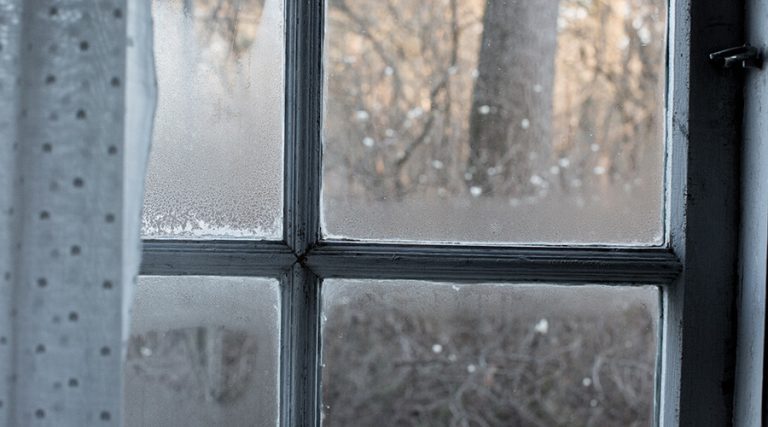
If you’ve lost heating or hot water during freezing weather, your boiler’s condensate pipe could be frozen. This is more likely if part of the pipe runs outside.
A boiler fault code, gurgling noises, the boiler attempting to start and then shutting down, or visible ice around the external condensate pipe can all indicate a problem.
If an accessible section is frozen, follow your boiler manufacturer’s instructions. Gentle warmth, such as a warm cloth or warm water, may be appropriate. Never use boiling water.
What if I have hot water but no heating?
If your hot water is working but your radiators aren’t heating up, the boiler itself may still be operating.
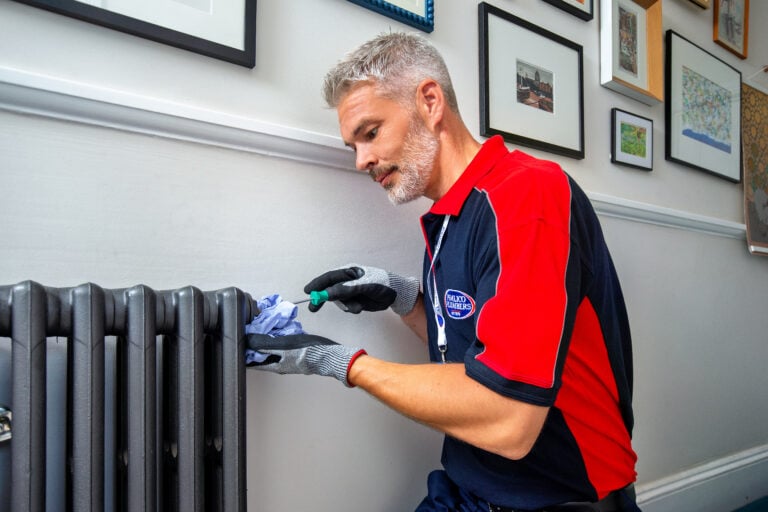
Start by checking your thermostat, timer and heating controls. Air trapped in radiators can also affect how well they heat up.
If these checks don’t solve the problem, there could be an issue with circulation, a valve, pump or another part of the heating system that needs professional investigation.
What if I have heating but no hot water?
If your radiators are working but there’s no hot water, the possible cause will depend partly on the type of heating and hot water system you have.
The problem could involve a valve, sensor, hot water cylinder, controls or another component. Check the boiler for fault codes and make sure your hot water controls are set correctly.
If there’s no obvious explanation and the hot water doesn’t return, a heating engineer can diagnose the cause.
Can I fix the problem myself?
Some causes of no heating or hot water can be resolved without an engineer. For example, you may simply need to correct your thermostat or timer settings, replace thermostat batteries, repressurise the boiler or follow the manufacturer’s reset instructions.
Only carry out checks or adjustments recommended by your boiler manufacturer. Don’t remove the boiler casing or attempt to repair internal components yourself.
Gas boiler repairs should always be carried out by a Gas Safe-registered engineer.
When should I call a heating engineer?
If you’ve completed the basic checks and still have no heating or hot water, it’s time to arrange professional help.
You should also call a heating engineer if the boiler repeatedly shuts down or displays the same fault code, the pressure continues to fall, you notice a leak or unusual noises, or you can’t safely identify the cause of the problem.
During very cold weather, losing heating can become particularly urgent, especially where children, older people or other vulnerable occupants are in the property.
Frequently Asked Questions
Why have my heating and hot water suddenly stopped working?
Possible causes include low boiler pressure, loss of power, thermostat or control problems, a frozen condensate pipe or an internal boiler fault. Checking the boiler display, pressure and fault code is a good place to start.
Should I reset my boiler?
If your boiler manufacturer recommends resetting it for the fault you’re experiencing, follow the instructions in the manual. If the boiler repeatedly locks out after resetting, arrange professional assistance rather than continuing to reset it.
Why is my boiler on but I have no heating?
Check your thermostat, timer and heating controls first. If they’re working correctly, there could be a circulation problem or an issue with a valve, pump or another part of the heating system.
Why do I have heating but no hot water?
If your heating is working normally but you have no hot water, there could be a problem with the hot water controls, a valve, sensor, cylinder or another component. The exact cause will depend on the type of system you have.
Is no heating or hot water an emergency?
It depends on the circumstances. During freezing weather, a complete loss of heating can become urgent, particularly if vulnerable people are in the property. Leaks, suspected gas problems, and other safety concerns require immediate attention.
Who should I call if my boiler isn’t working?
For a gas boiler, use a Gas Safe-registered engineer who is qualified to diagnose and repair the appliance.
Need help getting your heating and hot water back on?
Still have no heating or hot water after carrying out the basic checks? Gas Safe-registered heating engineers are available across London 24 hours a day, 7 days a week to diagnose boiler and central heating faults and carry out urgent repairs.
Contact Pimlico Plumbers to book a heating engineer and get your heating or hot water working again.
Summary
If you have no heating or hot water, start by checking the boiler has power, looking for a fault code, checking the boiler pressure and making sure your thermostat and heating controls are correctly set.
During freezing weather, also consider whether an external condensate pipe may have frozen.
If these basic checks don’t solve the problem, your boiler repeatedly shuts down, the pressure keeps falling, or there’s a leak, arrange for a Gas Safe-registered engineer to investigate rather than attempting internal boiler repairs yourself.