This website uses cookies to ensure you get the best experience on our website, to read more about the cookies we use, please read our cookies policy.

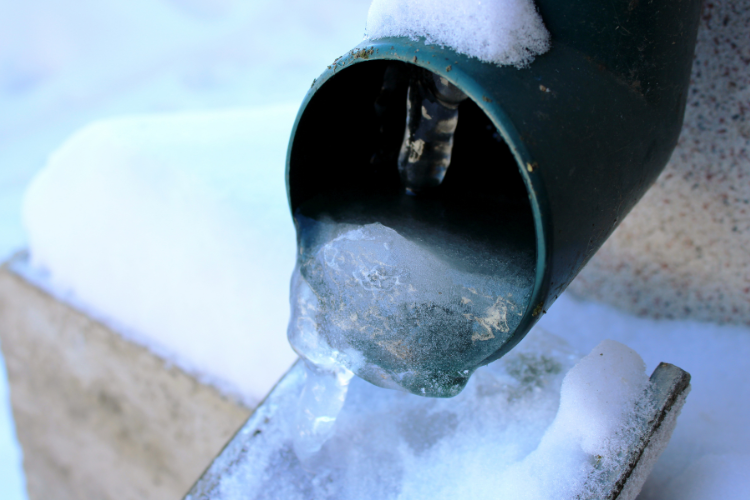
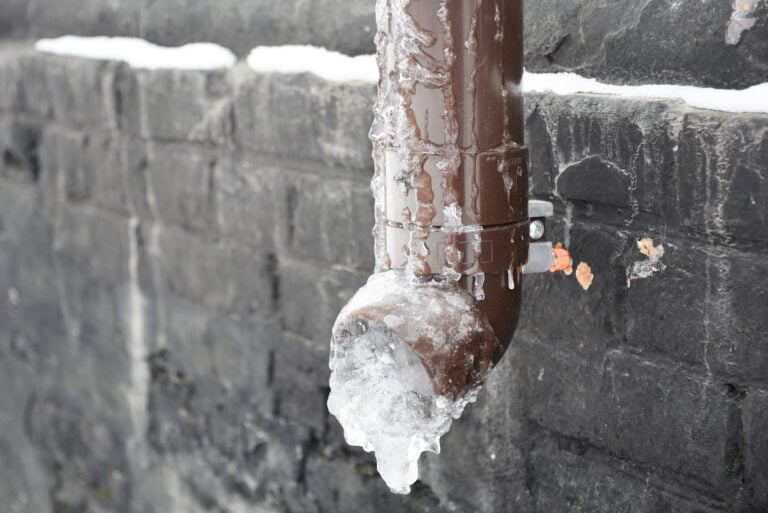
Yes, drains can freeze during prolonged periods of cold weather, although it’s less common than water supply pipes freezing. Outside drains, waste pipes, and exposed pipework are the most vulnerable because they’re directly exposed to freezing temperatures.
A frozen drain can stop wastewater from flowing away properly, leading to slow drainage, unpleasant smells, or even water backing up into your home.
Which drains are most likely to freeze?
Not all drains are equally at risk.
The parts of your drainage system most likely to freeze include:
- Outside waste pipes
- External drainpipes
- Condensate pipes from boilers
- Pipes in garages, sheds, and outbuildings
- Pipework in unheated lofts or basements
Underground drains are far less likely to freeze because they’re protected by the surrounding ground.
What are the warning signs of a frozen drain?
Common signs include:
- Water draining away very slowly
- Water backing up into sinks or showers
- Gurgling noises from the drain
- Ice visible on exposed pipework
- An outside drain that isn’t emptying during freezing weather
These symptoms don’t necessarily mean the drain has frozen, as many can also be caused by a blockage. However, if they appear suddenly during prolonged freezing weather and exposed waste pipework is affected, freezing could be the cause
What should I do if my drain is frozen?
If you suspect a drain or waste pipe has frozen, avoid continuing to run water into it. If wastewater can’t flow away, adding more water could cause it to back up into a sink, shower or other fixture.
If you can safely access the affected pipework, check for visible ice, cracks or signs of leakage. An exposed frozen section may be possible to thaw gradually using gentle heat.
Don’t try to force a blockage through or pour boiling water onto frozen pipework. If you can’t locate the frozen section, water is already backing up, or you suspect the pipe has been damaged, arrange professional assistance.
Can I thaw a frozen drain myself?
Sometimes, yes.
If the frozen section is visible and easy to reach, you can try:
- Pouring warm (not boiling) water over the outside of exposed pipework
- Wrapping the pipe in warm towels
- Using a hot water bottle
- Applying gentle heat with a hairdryer on a low setting
Allow the pipe to thaw gradually.
Never use a blowtorch, naked flame, or boiling water, as these can damage the pipe or create a safety hazard.
If the blockage isn’t visible or you suspect the pipe has cracked, it’s best to arrange professional assistance.
How can I stop drains freezing?
Simple preventative measures include:
Insulate exposed pipework
Pipe lagging helps reduce the risk of external waste pipes freezing during cold weather.
Keep outside drains clear
Leaves, mud, and debris can trap water, making it more likely to freeze when temperatures drop.
Repair dripping taps
A constantly dripping tap can create standing water around external drains and contribute to ice forming during freezing weather.
Protect boiler condensate pipes
Boiler condensate pipes are particularly vulnerable to freezing. Insulating exposed sections can help prevent winter boiler breakdowns.
When should I call a drainage engineer?
Arrange professional help if water is backing up into your property, you can’t safely access or thaw the affected section, or you suspect the pipework has cracked or been damaged.
If several drains are affected or the problem remains after temperatures rise, there may be a blockage or another drainage issue rather than frozen pipework. A drainage engineer can investigate the cause and clear the system if necessary.
Frequently Asked Questions
Can underground drains freeze?
It’s uncommon. Underground drains are usually protected by the surrounding soil, but shallow pipework or exposed sections can freeze during prolonged periods of severe cold.
Can frozen drains damage pipes?
Yes. As water freezes, it expands, which can crack or damage pipework if enough pressure builds up.
Why is my outside drain frozen?
Outside drains are exposed to cold temperatures and are more likely to freeze if water can’t drain away properly or if debris has allowed water to collect.
Can frozen drains cause bad smells?
Yes. If wastewater can’t flow away properly, stagnant water and trapped waste can produce unpleasant odours.
Will a frozen drain thaw on its own?
Often it will once temperatures rise. However, if water is backing up into your home or the drain remains blocked after the thaw, it’s worth arranging a professional inspection.
Need help with frozen or blocked drains?
If your drain isn’t flowing properly during freezing weather and you can’t tell whether it’s frozen or blocked, a professional inspection can identify the cause.
Whether you’re dealing with a frozen drain, a recurring blockage, or water backing up into your property, our experienced drainage engineers are available 24 hours a day, 7 days a week across London.
Contact Pimlico Plumbers today for fast, professional drainage assistance and help getting your drains flowing again.
Summary
Yes, drains can freeze during very cold weather, particularly exposed outside pipes and waste pipes. Frozen drains can lead to slow drainage, unpleasant smells, and water backing up if they’re not dealt with promptly.
Simple preventative measures such as insulating exposed pipes, keeping outside drains clear, and protecting vulnerable pipework can reduce the risk of freezing. If your drain won’t thaw, keeps freezing, or is causing wastewater to back up, professional assistance can help identify and resolve the underlying problem before more serious damage occurs.